The original sensual Jean Paul Gaultier fragrance has been re-released
Gaultier²
Eau de Parfum
$144
Intensity

3.4 oz


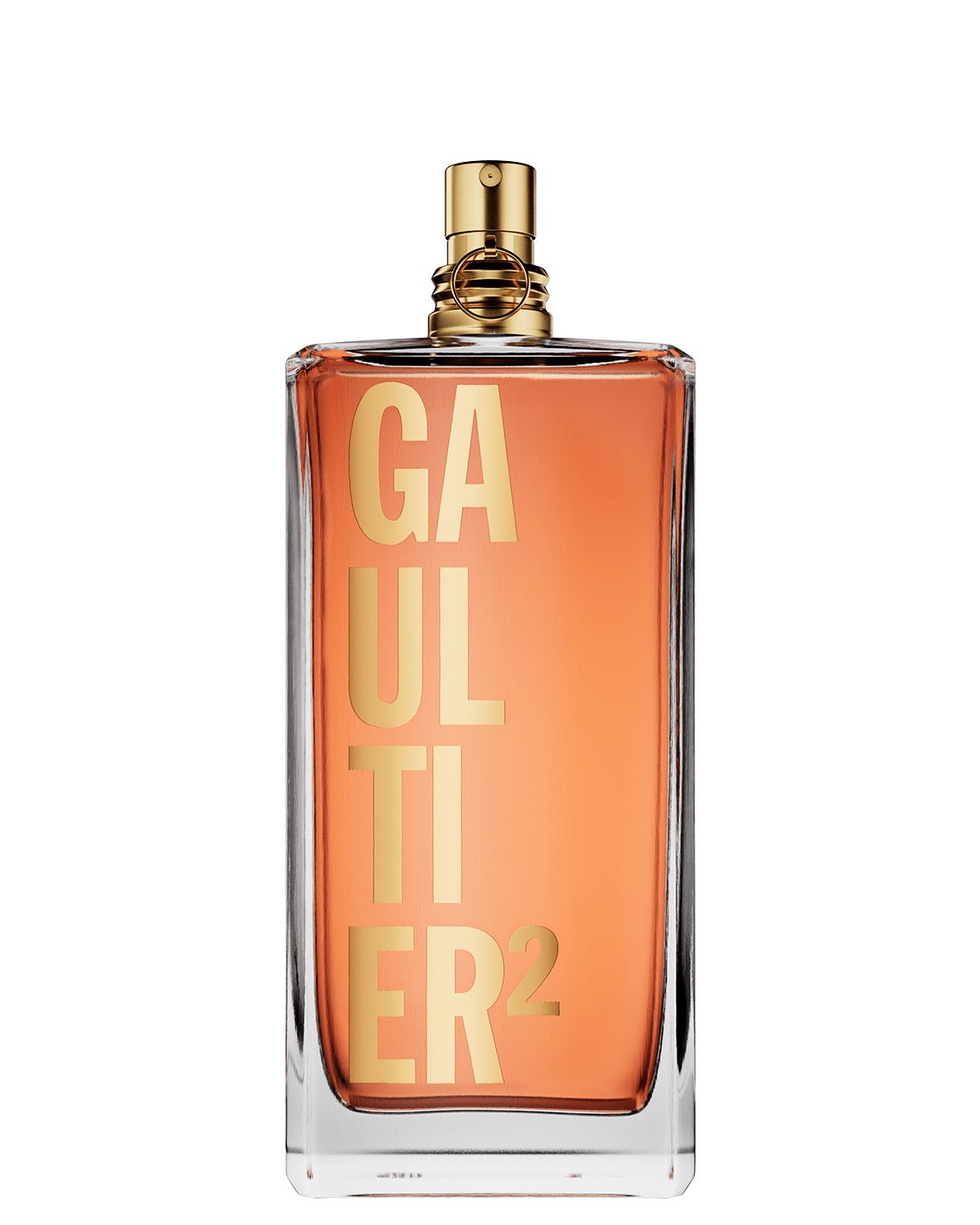
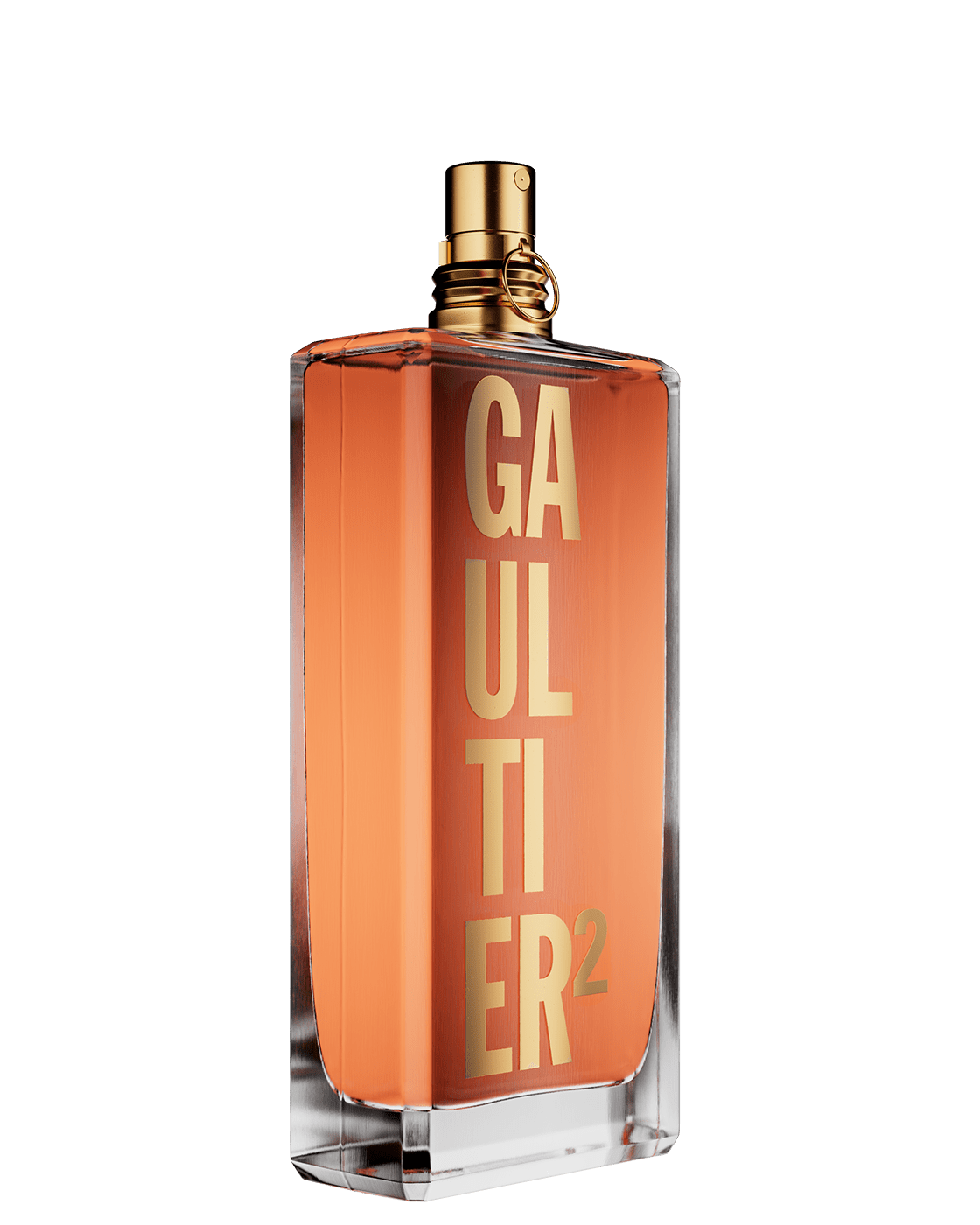











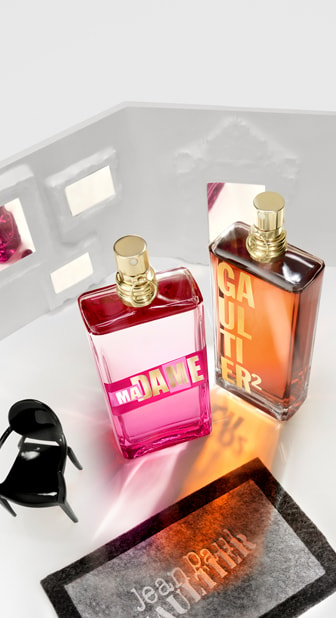
They’re so popular, they’re back on the website. Two spirited fragrances: Gaultier² and Ma Dame are available in limited quantities exclusively on jeanpaulgaultier.com. Which one will bring back your fondest memories?
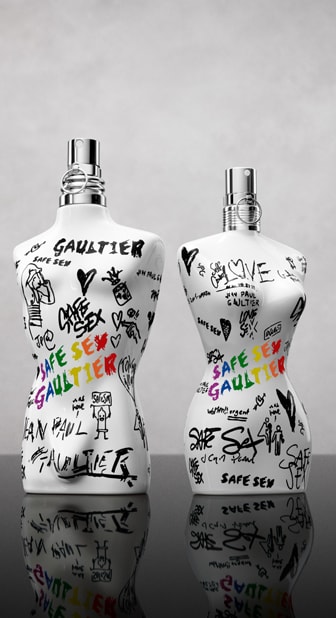
In the 1990s, he burst onto the scene with SAFE SEX FOREVER, a slogan turned motif, a manifesto. Today, Le Male and Classique reclaim the message in a Pride edition.

/Hero-E-1-.jpg)

Since 2022, the House has opted for more natural ingredients. This means new formulas comprising 90% of ingredients of natural origin. We have set higher standards than those required by law. In fact, although the EU has already banned the use of over 1,300 ingredients in cosmetics, we have decided to go even further. Therefore, we will no longer use certain ingredients suspected of having a negative impact on human and environmental health.
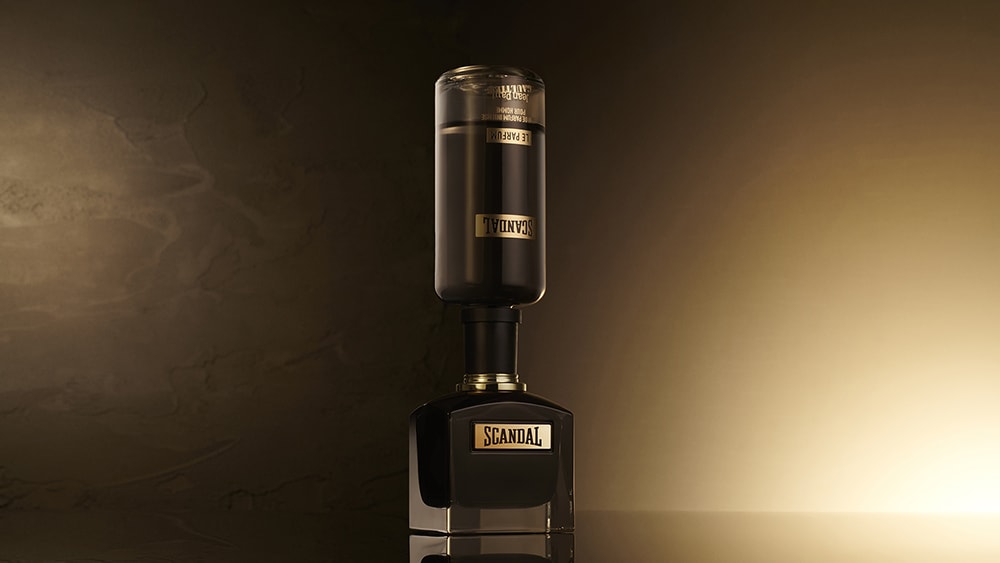
Economical and effective, refills have become ubiquitous. In 2021, Scandal pour Homme became our first fragrance with a refillable bottle. In 2023, Divine joined the range of refillable fragrances. Our eco-designed refills generate significant savings in terms of glass, plastic and much more. Lover of perfume and the environment? Impossible is not in Gaultier’s vocabulary.

JPG Parfums is reducing the impact of its packaging, with its ecodesign and a preference for cardboard recycling. Gift sets no longer contain any plastic and are made from FSC* (Forest Stewardship Council) cardboard. Their size has been reduced as much as is necessary to both contain and protect products. Gift set packaging designs, inspired by the House's signature creations, are made using an eco-ink, containing no polluting or controversial materials. Perfume cases are made exclusively from FSC* (Forest Stewardship Council) cardboard and 100% recyclable cellophane in France. This will also be the case in Europe by 2025. Plastic packs (shower gels, sprays, balms, lotions, etc.) will eventually contain 50% recyclable plastic. These alternatives will gradually be extended to our new ranges and best sellers.

/Logo-Puig-ESG-1-.jpg)
The Group's 2030 ESG Agenda, aligned with major international standards, is based on two key commitments:
This agenda is based on identifying the 5 material areas with the greatest impact on the planet, people and development (pictos).